Source 20 page trading card binder for School Office Promotion
Compare 29 listings for a 20 page trading card binder featuring PU leather covers and customizable print methods. Buyers can evaluate options with varying sizes, binding types, and surface finishes to suit business, school, or promotional needs.
Key considerations
Products List


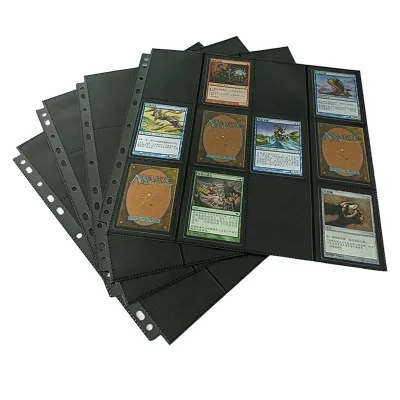


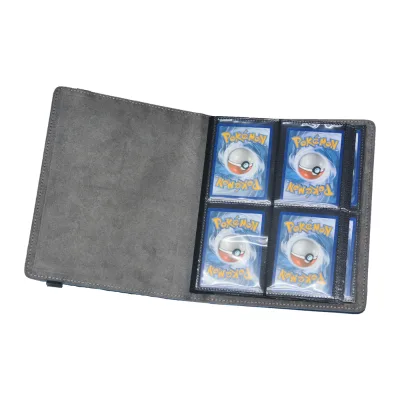

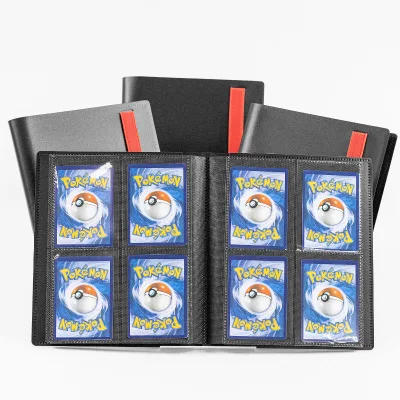
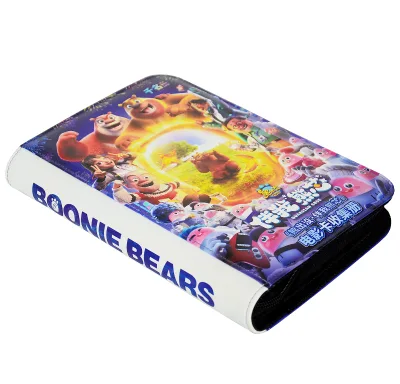
Comprehensive Sourcing Guide
Sourcing Guide for 20-Page Trading Card Binders
Understanding Product Specifications and Core Attributes
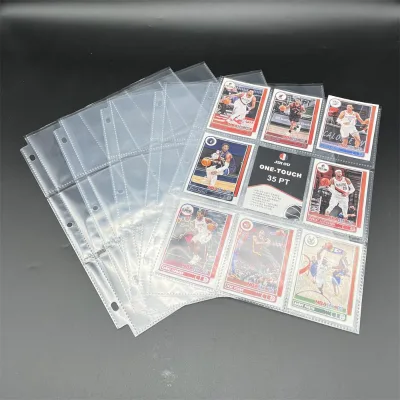
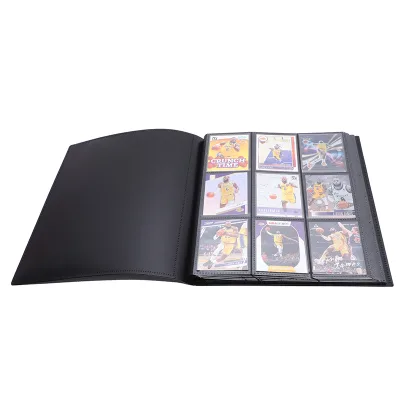
When sourcing a 20-page trading card binder, buyers must first establish a clear understanding of the technical specifications that define the product's utility and durability. The core requirement for this category is the capacity to hold exactly 20 pages, a specification explicitly observed in the available product data. This capacity is critical for collectors and businesses managing specific inventories of trading cards, ensuring that the binder is neither too bulky nor too thin for its intended purpose. The physical dimensions of the binder are equally important; observed data indicates a standard size of 4 inches by 6 inches. This compact footprint is ideal for portability and storage in standard filing cabinets or display cases, making it a practical choice for both personal collections and retail promotions.
The construction materials play a pivotal role in the longevity and aesthetic appeal of the binder. The outer cover is frequently manufactured from PU (Polyurethane) leather, a material chosen for its durability, resistance to wear, and professional appearance. This material offers a balance between the premium feel of genuine leather and the cost-effectiveness of synthetic alternatives. The inner pages, which directly interface with the trading cards, are typically made from PP (Polypropylene). This material is transparent, durable, and resistant to tearing, ensuring that the cards inside remain protected from dust, moisture, and physical damage. The combination of a PU leather exterior and PP interior creates a robust enclosure suitable for high-frequency handling.
Binding methods are another essential technical consideration. The observed products utilize Perfect Binding, a process where the pages are glued together at the spine to create a flat, book-like appearance. This method is superior to spiral binding for card binders as it prevents the spine from catching on other items and allows the binder to lay flat when open, facilitating easy card insertion and removal. The cover color is often customizable, with red being a prominent observed option, though buyers should verify if other colorways are available for branding purposes. The surface finishing processes, such as matte varnishing or gloss varnishing, add a layer of protection and visual appeal, with some products offering matte lamination as an alternative finish.
Compliance, Certification, and Surface Treatment Standards
In the B2B procurement of trading card binders, verifying compliance with safety and environmental standards is paramount, especially when the products are intended for school or office use. The supply chain data highlights specific surface treatment standards, such as "Eco-Friendly Electroplating," which suggests that metal components, if present in accessories like clips or rivets, adhere to environmental regulations regarding heavy metals and hazardous substances. Buyers must explicitly request documentation confirming that all materials, including the PU leather and PP inner pages, meet the relevant safety standards for the target market, such as REACH in Europe or CPSIA in the United States.
Surface treatment is a critical area for quality verification. The observed data lists various finishes including bright nickel, checker, stain finish, and golden or painted options for metal components. These treatments are not merely aesthetic; they determine the corrosion resistance and longevity of the hardware. The standard "Eco-Friendly Electroplating" mentioned implies a commitment to reducing toxic runoff during manufacturing, but buyers should not assume this applies to all SKUs without verification. It is essential to request a Certificate of Conformance (CoC) that details the specific plating standards used for any metal parts, ensuring they do not contain prohibited levels of lead, cadmium, or mercury.
Furthermore, the printing methods used on the binders require scrutiny. The data indicates a range of print methods, including 4-color, 5-color, 2-color, 1-color, and 6-color printing. For a 20-page binder, the quality of the print on the cover and the clarity of the inner page text or graphics are vital. Thermal transfer printing is also noted as a capability, which is often used for durable labeling or serial numbers. Buyers should verify that the inks used are non-toxic and fade-resistant, particularly if the binders are intended for promotional use or long-term archival storage. The "Eco-Friendly" designation should be backed by third-party testing results rather than self-declared claims.
Cost Drivers and Pricing Structure Analysis
The pricing structure for 20-page trading card binders is influenced by several variable factors, with the observed price range spanning from $0.12 to $15.00 USD. This wide variance indicates that the final cost is heavily dependent on the complexity of customization, the volume of the order, and the specific material grades selected. The lower end of the price spectrum likely corresponds to standard, non-customized units with basic PU leather covers and simple PP pages. Conversely, the higher price points are associated with advanced customization, such as specific branding, complex surface finishing like gold stamping or embossing, and the inclusion of additional features like zippers or locks.
Material costs are a primary driver of the base price. While PU leather is a standard material, the quality of the PU and the thickness of the PP pages can vary significantly. Higher-grade materials that offer better scratch resistance and UV protection will command a premium. Additionally, the binding method, specifically perfect binding, requires precise machinery and quality control to ensure the spine is strong and the pages do not detach. The surface finishing processes, such as matte or gloss varnishing, add incremental costs based on the number of layers applied and the curing time required.
Order volume is another critical cost driver. The observed Minimum Order Quantity (MOQ) ranges from 1 to 50,000 units. Buyers purchasing small quantities may face a higher unit cost due to the setup costs for printing and binding being amortized over fewer units. As the order volume increases, the per-unit cost typically decreases, reflecting economies of scale. However, the relationship between volume and price is not linear; there may be tiered pricing structures where significant discounts are applied only after reaching specific thresholds. Buyers should also consider the cost of customization, such as logo placement or custom color matching, which often incurs a separate setup fee regardless of the order size.
Typical Applications and Usage Scenarios
The versatility of the 20-page trading card binder makes it suitable for a diverse range of applications, as evidenced by the observed usage categories of "Business," "School," and "Office." In a business context, these binders are often used for promotional giveaways, corporate gifts, or as part of a branded merchandise line. The ability to customize the cover color, print method, and logo allows companies to align the product with their corporate identity. The "Simple" style observed in the data suggests a clean, professional aesthetic that is well-suited for corporate environments where branding is subtle yet effective.
For the educational sector, the binder serves as a practical tool for students and teachers to organize trading cards used in learning activities. The 20-page capacity is ideal for classroom collections, allowing students to manage a specific number of cards without the bulk of larger binders. The durability of the PU leather and PP pages ensures that the binders can withstand the rigors of daily use in a school setting. The "School" usage category also implies that the materials should be safe and non-toxic, reinforcing the need for compliance with educational safety standards.
In the office environment, these binders are utilized for document organization, file management, and promotional storage. The "Business" and "Office" labels indicate that the product is designed to handle the administrative needs of professionals. The inclusion of features like zippers or locks, as noted in the data for certain document bags, adds a layer of security for sensitive materials. The compact 4x6 inch size makes it easy to store in desk drawers or filing cabinets, maximizing space efficiency. The "Promotion" usage category further highlights the binder's role in marketing campaigns, where it can be customized with specific messages or branding to engage customers.
Supplier Evaluation and Production Capabilities
Evaluating suppliers for 20-page trading card binders requires a thorough assessment of their production capabilities, customization options, and logistical reliability. The data indicates that customization is available, with options for logo acceptance, OEM/ODM services, and various print methods. Buyers should verify the supplier's ability to handle the specific customization requirements, such as the number of colors for printing or the specific surface finishing techniques like matte varnishing or gloss varnishing. The presence of multiple model numbers, such as Hw-4862 and Hw-0152, suggests that the supplier has a diverse product line, but buyers must ensure that the specific model meets the 20-page requirement.
Geographic location is another factor in supplier evaluation. The observed place of origin is Guangdong, China, a region known for its robust manufacturing infrastructure and experience in producing stationery and office supplies. Suppliers in this region often have access to a wide range of materials and advanced machinery, which can lead to competitive pricing and high-quality output. However, buyers should also consider the logistical implications of sourcing from this location, including lead times, shipping costs, and potential tariffs. The observed lead times and shipping methods should be clearly defined in the supplier's terms to avoid delays in the supply chain.
Quality control processes are essential for ensuring that the final product meets the buyer's expectations. Buyers should inquire about the supplier's quality assurance protocols, including in-process inspections and final product testing. The data mentions specific standards like "Eco-Friendly Electroplating," which indicates a commitment to quality, but buyers should request evidence of these standards, such as test reports or certifications. The supplier's ability to provide samples before bulk production is also a critical factor, allowing buyers to verify the quality of materials, binding, and printing before committing to a large order.
Quality Control and Long-Term Procurement Considerations
Maintaining consistent quality in 20-page trading card binders requires a rigorous quality control (QC) strategy that covers all stages of production. Key areas of focus include the integrity of the perfect binding, the durability of the PU leather cover, and the clarity of the PP inner pages. Buyers should establish clear acceptance criteria for these attributes, such as the strength of the spine glue, the resistance of the leather to scratching, and the transparency of the plastic pages. Regular inspections during production, known as in-process QC, can help identify and rectify issues before they affect the entire batch.
Long-term procurement considerations involve building a sustainable relationship with the supplier that ensures consistent supply and quality over time. This includes negotiating favorable terms for repeat orders, establishing clear communication channels for addressing quality issues, and planning for potential supply chain disruptions. The observed MOQ range of 1 to 50,000 units offers flexibility, but buyers should aim to stabilize their order volumes to benefit from economies of scale and consistent pricing. Additionally, buyers should consider the environmental impact of their procurement decisions, prioritizing suppliers who demonstrate a commitment to sustainability through eco-friendly materials and processes.
The durability of the product is a long-term consideration that affects customer satisfaction and brand reputation. Binders that fail to hold pages securely or whose covers degrade quickly can lead to returns and negative feedback. Therefore, buyers should invest in high-quality materials and work with suppliers who have a proven track record of producing durable products. The ability to customize the product for specific needs, such as adding a zipper or lock, also enhances the long-term value of the binder by increasing its utility and security.
Comparative Analysis of Product Features
To facilitate informed decision-making, buyers can compare the key features of available 20-page trading card binders using the following table. This comparison highlights the variations in materials, finishes, and specifications observed in the market.
| Feature | Option A (Standard) | Option B (Premium) | Option C (Custom) |
|---|---|---|---|
| Cover Material | PU Leather | PU Leather | PU Leather |
| Inner Page Material | PP | PP | PP |
| Size | 4"*6" | 4"*6" | 4"*6" |
| Page Count | 20 Pages | 20 Pages | 20 Pages |
| Binding Type | Perfect Binding | Perfect Binding | Perfect Binding |
| Surface Finish | Matte Varnishing | Gloss Varnishing | Matte/Gloss + Lamination |
| Print Method | 4-6 Color | 4-6 Color | Custom Color (OEM/ODM) |
| Color | Red (Standard) | Custom | Custom |
| Metal Hardware | None | Nickel/Chrome | Custom Plating |
| MOQ | 1 Unit | 500 Units | 1000 Units |
| Origin | Guangdong, China | Guangdong, China | Guangdong, China |
This table illustrates that while the core specifications remain consistent across options, the variations in surface finish, print method, and customization level drive the differences in cost and application. Buyers should select the option that best aligns with their specific requirements for aesthetics, durability, and budget. By carefully evaluating these features, buyers can ensure they source a product that meets their operational needs and delivers value over the long term.
FAQs
What is the standard size for this 20 page trading card binder?
The standard size is 4 inches by 6 inches. This compact footprint ensures portability and fits standard filing cabinets while holding exactly 20 pages of cards securely.
Which materials are used for the cover and inner pages?
The cover is made of PU leather for durability and a professional look. The inner pages are constructed from PP material, which is transparent and resistant to tearing and moisture.
Can I customize the color and logo on the binder?
Yes, customization is available for both color and logo. Buyers can request specific cover colors like red and accept customized OEM or ODM logo placements on the product.
How is the binding method applied to ensure durability?
The binder uses Perfect Binding where pages are glued at the spine. This creates a flat book-like appearance that prevents the spine from catching and allows the binder to lay flat.
What surface finishing options are available for the product?
Surface finishing includes matte varnishing, gloss varnishing, and matte lamination. These processes add protection and visual appeal while ensuring the product meets aesthetic requirements for business or school use.
Where are these binders manufactured and what is the origin?
The products originate from Guangdong, China. This region is known for robust manufacturing infrastructure in stationery and office supplies, ensuring competitive pricing and high-quality output.
What is the typical price range for ordering these binders?
The observed price range spans from 0.12 to 15 USD per unit. The final cost depends on customization complexity, order volume, and specific material grades selected for the project.
Are there specific certifications for the surface treatments used?
Some metal components adhere to Eco-Friendly Electroplating standards. Buyers should verify documentation to ensure all materials meet safety regulations like REACH or CPSIA for the target market.